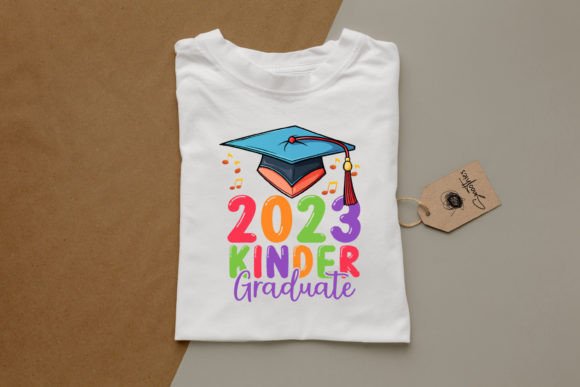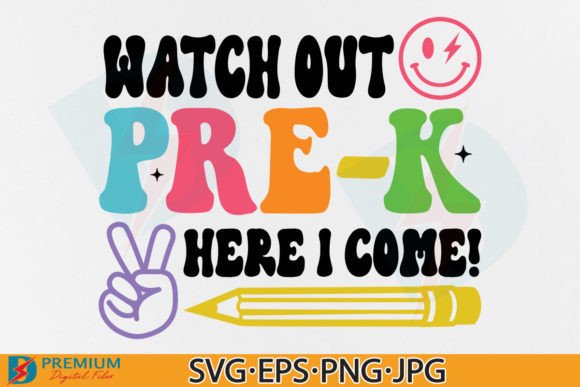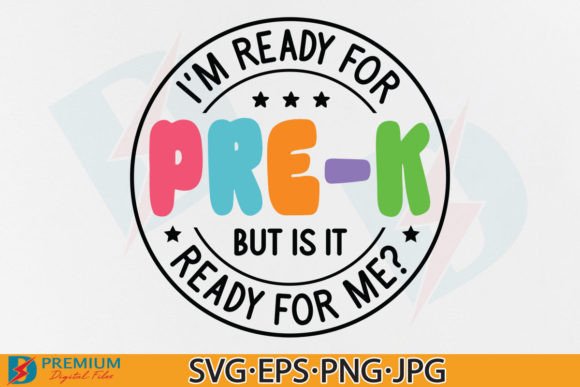
Back to School T-Shirt Design Vector: A Strategic Creative Asset for Educators, Makers, and Small Businesses
A Back to School T-Shirt Design Vector isn’t just decorative clipart—it’s a purpose-built creative tool with measurable utility across planning, branding, communication, and product development. When selected and applied intentionally, it supports clear goals: launching seasonal merchandise, reinforcing school community identity, streamlining content creation for educators, or scaling digital-to-physical product offerings without reinventing design work each year.
Why This Vector Format Matters—Beyond Aesthetics
Unlike raster images or static graphics, a vector-based Back to School T-Shirt Design Vector retains infinite scalability, precision editing, and full color control. That means you’re not locked into one size, shade, or layout. You can resize it for a mug mockup, recolor it to match your school’s palette, isolate individual letters for custom signage, or extract icons for classroom posters—all without quality loss.
This flexibility directly supports operational efficiency. For example, a small business owner preparing for August back-to-school sales can use the same vector file across multiple SKUs—T-shirts, hoodies, stickers, mugs—adjusting only color and placement. No need to commission separate designs or pay for revisions. That saves time, reduces vendor dependency, and maintains visual consistency across touchpoints.
Strategic Use Cases Across Roles
Different professionals derive distinct value from the same Back to School T-Shirt Design Vector, depending on their goals and constraints:
- Educators and school staff use editable vectors to create welcome banners, orientation handouts, or student planner inserts—tailoring messaging (e.g., “Welcome Back, Grade 5!”) while preserving brand alignment.
- Freelance designers and print-on-demand sellers treat the AI, EPS, and SVG files as production-ready building blocks—layering them into larger compositions, pairing them with original illustrations, or adapting typography for niche audiences (e.g., homeschool co-ops or tutoring centers).
- Small business owners and crafters leverage the high-resolution PNG with transparent background and included mockups to generate realistic product previews—critical for social media ads, Etsy listings, or email campaigns—without hiring a photographer.
- Hobbyists and planners benefit from the 100-color-changeable and 100-editable nature: swapping fonts for bullet journal headers, resizing elements for scrapbook accents, or cutting precise vinyl decals using Cricut or Silhouette machines.
What to Consider Before Using It
Not every Back to School T-Shirt Design Vector delivers equal strategic value—and using one without intention risks wasted effort or misaligned outcomes. Ask yourself:
- Does the design support your specific audience? A playful script font may resonate with elementary teachers but feel unprofessional for a university department newsletter. Review the included typefaces and layout structure before assuming fit.
- Is the licensing appropriate for your use case? This is a digital download intended for commercial use—but verify whether redistribution (e.g., selling the vector file itself) or resale of derivative works is permitted under its license terms.
- Do you have the tools—or skill—to adapt it? While AI and EPS files are industry-standard, they require compatible software (Adobe Illustrator, Affinity Designer, or Inkscape). If you rely solely on Canva or basic photo editors, prioritize the SVG or high-DPI PNG versions for simpler edits.
- How does it integrate into your broader system? A standalone vector won’t strengthen your brand unless it aligns with existing colors, tone, and visual hierarchy. Audit your current assets first—then adjust the vector’s palette or spacing to match, rather than forcing inconsistency.
Practical Integration Tips
Maximize long-term value by treating the Back to School T-Shirt Design Vector as part of a repeatable workflow—not a one-off decoration:
- Build a seasonal template library. Save edited versions (e.g., “BackToSchool_BlueVersion.ai”, “BackToSchool_Homeschool_SVG”) in an organized folder. Next year, open and update—not restart.
- Batch-produce variants. Use the color-changeable feature to generate three coordinated palettes (school colors, neutral tones, pastels) in one session—then assign each to different product lines or grade levels.
- Repurpose intelligently. The same vector used on a T-shirt can become a watermark on digital worksheets, a header in a Google Slides presentation, or a cut-out stencil for bulletin board lettering—extending reach without extra design labor.
- Test before scaling. Print a single sticker or mug first. Check how the typography renders at small sizes, how colors shift between screen and physical output, and whether the transparent background layers cleanly over textured surfaces like denim or ceramic.
Risks of Undisciplined Use
Without clarity of purpose, even a high-quality Back to School T-Shirt Design Vector can dilute impact. Common pitfalls include:
- Over-customization without strategy. Changing every color, font, and spacing element just because you can—rather than because it serves a goal—often weakens recognition and increases cognitive load for viewers.
- Assuming “editable” means “effortless.” While the files are editable, meaningful adaptation still requires time, software access, and design judgment. Don’t underestimate the learning curve if you’re new to vector workflows.
- Misjudging context. A bold, energetic vector may energize a summer camp T-shirt but feel jarring on a district-wide faculty handbook cover. Always assess appropriateness for medium, audience, and message priority.
- Ignoring accessibility. Some default color combinations may fail contrast requirements for readability—especially when printed on dark garments. Test text legibility using free tools like WebAIM’s Contrast Checker before finalizing.
Long-Term Value: Beyond One Season
The strongest return on a Back to School T-Shirt Design Vector comes not from August sales alone—but from how easily it adapts to future needs. Because it’s delivered in AI, EPS, SVG, PDF, PNG (300 dpi), and JPG formats—with transparent backgrounds and layered mockups—you’re equipped to respond to shifts: adding bilingual text for dual-language programs, converting to embroidery digitizing paths, or reformatting for social media carousels.
That durability supports sustainability in both environmental and operational terms. Instead of sourcing new designs annually, you refine and extend what you already own—reducing creative overhead, maintaining continuity, and strengthening visual equity over time. For schools building long-term culture, small businesses establishing seasonal rhythm, or creators cultivating a recognizable style, that consistency compounds.
Final Thought: Intentionality Is the Real Design Element
A Back to School T-Shirt Design Vector is only as effective as the thinking behind its use. It won’t replace thoughtful audience analysis, clear messaging, or sound production decisions—but it can accelerate all three when approached deliberately. Before opening the ZIP file, define your objective: Is this for internal morale? External marketing? Student engagement? Product diversification? Let that answer guide which file format you open first, which colors you adjust, and where you deploy the result.
When aligned with real goals—and treated as a flexible, reusable component rather than a finished artifact—the Back to School T-Shirt Design Vector becomes less about “going back to school” and more about moving forward with greater clarity, efficiency, and creative control.