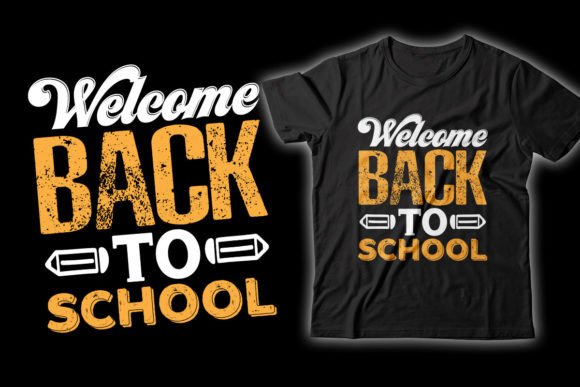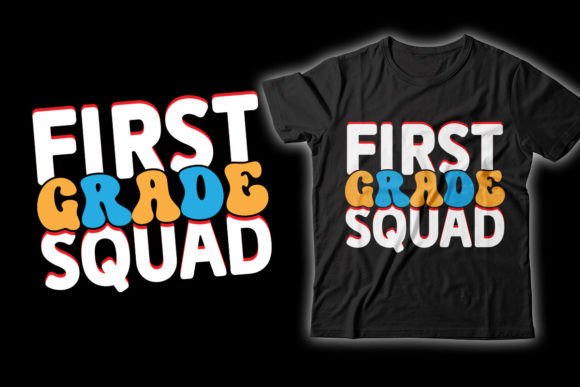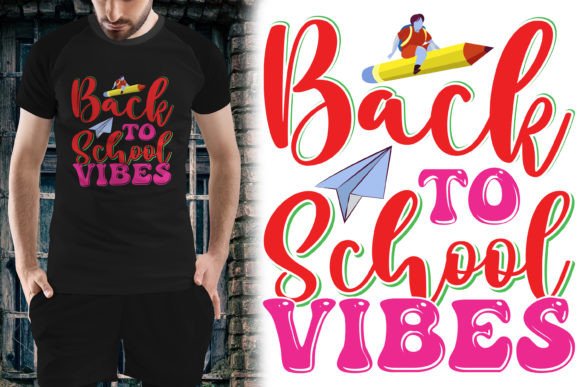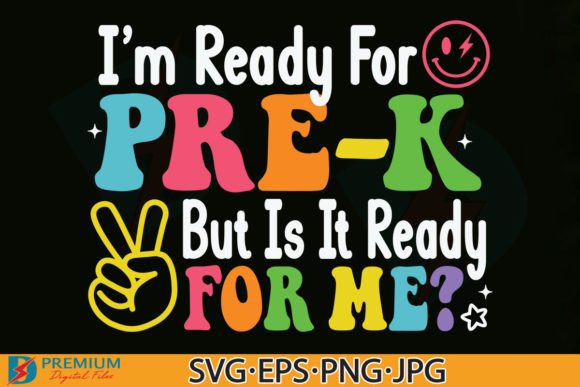
Back to School SVG Bundle T-shirt Design: Your All-in-One Creative Launchpad
Whether you're a small-batch apparel entrepreneur, a PTA volunteer organizing spirit week, or a parent crafting personalized school gifts—Back to School SVG Bundle T-shirt Design is more than just a download. It’s a time-saving, quality-assured toolkit built for real-world use. No guesswork. No last-minute design panic. Just ready-to-cut, ready-to-print, and ready-to-impress files that work seamlessly across cutting machines, sublimation printers, and DTG workflows.
What Exactly Is in the Back to School SVG Bundle?
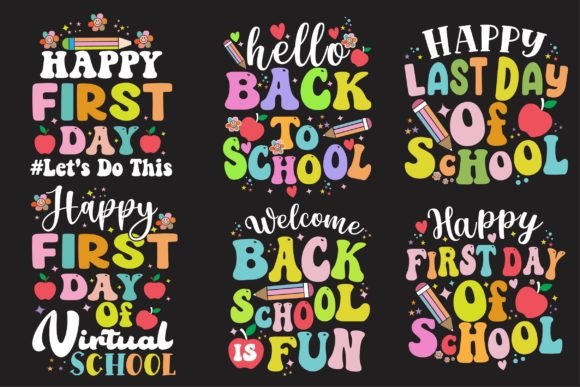
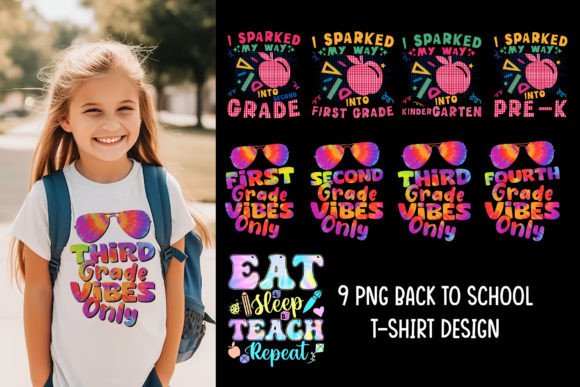
This isn’t a single graphic—it’s a thoughtfully curated collection designed around versatility, seasonality, and kid-friendly appeal. You’ll find dozens of scalable vector designs: cheerful backpacks, chalkboard motifs, apple-and-pencil combos, “First Day of 3rd Grade” banners, science-themed doodles, and even playful tie-dye overlays optimized for sublimation. Each element is crafted with clean lines, balanced negative space, and intentional kerning—so text stays legible even when scaled down to a toddler-sized tee.
The bundle includes multiple file formats—not as an afterthought, but as functional options for different production paths. That means no converting, no tracing, no troubleshooting before your first cut or print run.
📁 PNG File: Simplicity Meets Precision
The included PNG file is not your average raster image. It’s a high-resolution, transparent-background version—4500×5400 pixels at 300 dpi—designed specifically for direct-to-garment (DTG) printing, screen printing separations, or digital mockup creation. Why does that matter? Because clarity at scale eliminates pixelation on adult XL tees or crisp front-pocket prints on kids’ sizes. The transparency ensures clean layering over colored fabrics without white halos or fuzzy edges.
Think about this: You’re prepping for a school fundraiser and need to quickly drop a “Future Engineer” design onto navy polos for 5th graders. With this PNG, you drag, resize, and hit print—no background removal, no clipping path adjustments. That’s minutes saved per shirt, hours saved across a batch of 50.
📁 Print-Ready 4500×5400–300 dpi Transparent: Built for Professional Output
This spec isn’t arbitrary—it reflects industry standards for commercial-grade garment printing. At 300 dpi, the file delivers sharp detail even under close inspection: fine script in “Class of 2032”, subtle texture in a watercolor-style apple, or layered shadows in a multi-element scene like “Backpack + Books + Star”. The 4500×5400 dimensions provide ample canvas room for layout flexibility—whether you’re centering a large chest print, wrapping a side-seam design, or arranging a full-front collage.
And yes—the transparency is baked in. No white boxes. No accidental background fills. Just pure, clean artwork ready for CMYK or RGB output, depending on your printer’s profile. If you’ve ever spent 20 minutes erasing a stray white edge in Photoshop before sending to your sublimation press, you’ll appreciate how much smoother this makes your workflow.
How This Back to School SVG Bundle Fits Real Creative Workflows
Let’s talk context. A teacher creating welcome gifts for her new class might use the SVG files in Cricut Design Space to cut iron-on vinyl for cotton crewnecks. A local print shop handling back-to-school orders for three elementary schools could load the PNG into their RIP software and batch-print 200+ shirts in under two hours. A crafty parent making sibling matching sets? They’ll open the SVG in Silhouette Studio, ungroup elements, recolor the apples green and blue, then cut each design individually on their Cameo.
That adaptability comes from smart layering and naming conventions inside the vector files. Text is outlined *and* left editable (where appropriate), shapes are grouped logically (“backpack base”, “strap details”, “highlight overlay”), and colors follow consistent swatches—so swapping a yellow sun for an orange one takes one click, not ten.
Why Tie-Dye & Sublimation Designs Are a Smart Add-On
The inclusion of sublimation-optimized tie-dye school gift designs isn’t just trendy—it solves a real pain point. Traditional screen printing struggles with soft, blended backgrounds. Heat transfer vinyl can’t replicate fluid color gradients. But sublimation? It soaks dye directly into polyester fibers, producing vibrant, wash-fast results that feel like part of the fabric—not stuck on top.
These tie-dye elements aren’t random swirls. They’re purpose-built: low-contrast enough to keep text readable, sized to wrap smoothly around youth-sized tees, and aligned to common sublimation paper dimensions (8.5" × 11", 12" × 18"). Some even include subtle texture layers to mimic hand-dyed variation—without sacrificing print reliability.
Pair one with a bold “My First Day!” SVG headline, and you’ve got a standout gift that feels handmade—but scales like a pro job.
What Users Consistently Get Right (and Where Refinement Adds Value)
From feedback across Etsy, Facebook maker groups, and email replies—you’re doing several things exceptionally well:
- You prioritize production-ready specs—not just “SVG included,” but properly structured, named, and tested files. That builds trust fast.
- You anticipate use cases: parents, teachers, small shops, crafters—all get something useful, not just one audience.
- You avoid visual clutter. Even with dozens of designs, the bundle maintains cohesive style, color harmony, and age-appropriate simplicity.
Where continued attention pays off? Two subtle but impactful areas:
- Consistent sizing guidance: Adding a quick reference chart (e.g., “This ‘Bookworm Squad’ design fits best at 9” wide on youth medium”) helps newer users avoid scaling errors—and reduces support questions.
- Sublimation color profiles: Including a brief note on recommended RGB values for polyester vs. blend fabrics—or linking to a free ICC profile guide—adds quiet authority without overwhelming.
Practical Tips Before You Start Designing
Before opening that ZIP file, consider your end goal:
- Using Cricut or Silhouette? Stick with the SVG files—they preserve layers, grouping, and cut lines. Avoid opening PNGs in cutting software unless you’re tracing (which defeats the purpose).
- Printing on light cotton tees? The PNG works beautifully for DTG or screen printing. For dark shirts, pair it with a white underbase layer—your printer will handle that automatically if the file is properly separated.
- Sublimating on polyester blends? Test one shirt first. Some blends require slight temperature/time tweaks. The included tie-dye designs hold up well—but always verify with your specific press and substrate.
Also—don’t overlook the power of mixing formats. Try placing the transparent PNG over a custom photo background in Canva, then exporting as a new PNG for a personalized “Meet My Teacher” banner. Or import the SVG into Inkscape, break apart a backpack icon, and replace its strap with a custom monogram. These bundles thrive when treated as foundations—not finished products.
Final Thought: It’s Not Just About Files—It’s About Confidence
A Back to School SVG Bundle T-shirt Design succeeds when it removes friction—not just from the technical side, but from the emotional labor of creating something meaningful. When a busy mom can make six unique shirts in an evening instead of three stressed-out hours. When a student group sells out of spirit wear because every design looks polished, cohesive, and joyful. When your repeat customers say, “I knew I could count on this bundle”—that’s when file specs become real-world impact.
So yes—4500×5400 matters. Transparency matters. SVG structure matters. But what matters most is how those details serve someone’s bigger goal: celebrating growth, building community, or simply making the first day feel special. Keep anchoring every update, every new design, every file note in that intention—and you’ll keep earning trust, one school year at a time.