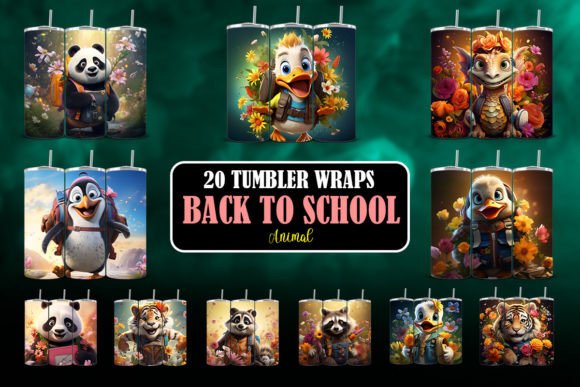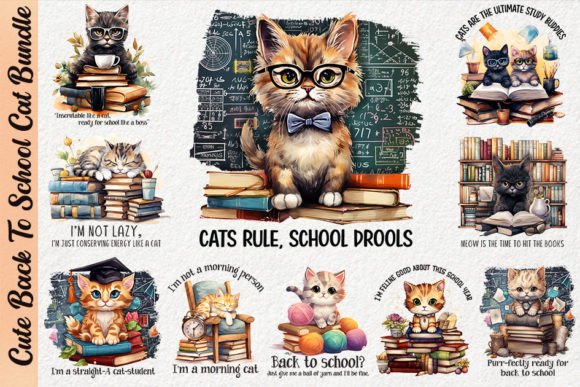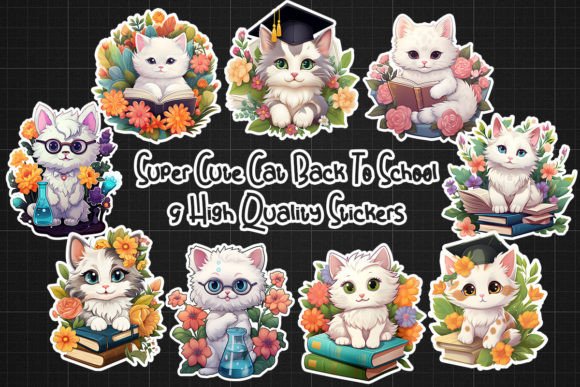
3D Cute Cartoon Back to School Tumbler
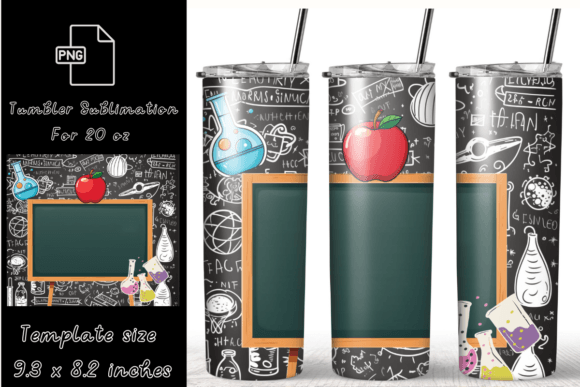
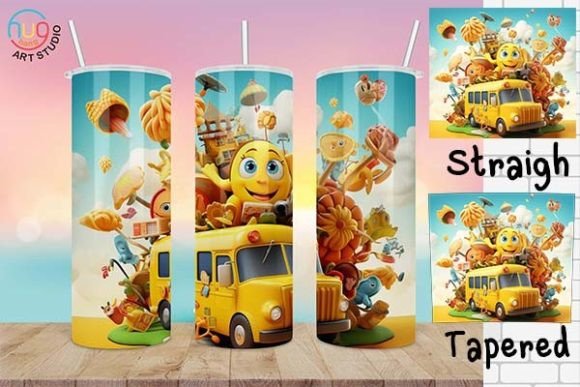
A 3D Cute Cartoon Back to School Tumbler isn’t just a playful design—it’s a strategic asset for creators and educators who understand that visual consistency, audience resonance, and operational efficiency compound over time. This digital sublimation bundle delivers two precision-scaled PNG files: one straight wrap and one tapered—both pre-sized for standard 20oz skinny tumblers, yet fully adjustable for other dimensions. Because it’s an instant digital download, there’s no shipping delay, no inventory risk, and no physical fulfillment overhead. What you receive is clean, production-ready artwork designed for sublimation printers, heat presses, or even hybrid print-on-demand workflows.
Why This Design Fits Real Business and Educational Goals
For small business owners launching back-to-school merchandise lines, timing matters—and so does differentiation. Generic school-themed designs flood marketplaces every August. A 3D Cute Cartoon Back to School Tumbler stands out because its layered depth, expressive characters, and vibrant palette signal intentionality—not just seasonal opportunism. When teachers order tumblers for classroom rewards, parent-teacher conferences, or staff appreciation, they’re not buying drinkware; they’re investing in tone, identity, and emotional continuity. A well-executed 3D cartoon aesthetic reinforces warmth, approachability, and developmental appropriateness—especially for Pre-K, kindergarten, and special education settings.
From a branding perspective, this design supports coherence across touchpoints. Use the same character set on tumblers, tote bags, lesson plan covers, or digital newsletters—and recognition builds quietly but steadily. That consistency lowers cognitive load for your audience and strengthens memory encoding. It’s not about repetition for its own sake; it’s about creating predictable, positive associations that support long-term trust.
Strategic Use Cases Beyond the Obvious
Consider how a 3D Cute Cartoon Back to School Tumbler functions in different contexts:
- Educators and school staff: As a low-cost, high-impact tool for building classroom culture—personalized with student names or grade-level motifs, then used as part of morning routines or incentive systems.
- Sublimation entrepreneurs: As a fast-turnaround SKU during peak demand windows (July–early September), especially when bundled with matching mugs, notebooks, or lanyards using coordinated color palettes and character poses.
- Freelance designers: As a customizable base layer—adding client-specific text, logos, or localized elements (e.g., district mascots or bilingual labels) without rebuilding from scratch.
- School PTA groups or booster clubs: As a revenue-generating item with minimal upfront cost—no minimum order, no warehousing, and full margin control since it’s digitally fulfilled and physically produced only on demand.
Each use case hinges on the same underlying advantage: flexibility without compromise. The tapered and straight versions eliminate guesswork around curvature distortion—a common pain point when wrapping cylindrical surfaces. That means fewer test prints, less wasted substrate, and faster time-to-market.
Planning Your Implementation—What to Decide Before You Print
Before integrating this design into your workflow, ask three practical questions:
- Who is the primary user—and what outcome do they need? A tumbler for a school bus driver serves a different functional and emotional purpose than one for a first-grade teacher. The former may prioritize durability cues and visibility (e.g., bold outlines, high-contrast colors); the latter may lean into nurturing tones and subtle educational motifs (like ABC blocks or counting bears integrated into the background pattern). Adjusting minor elements—color saturation, line weight, or background density—can shift perception meaningfully without redesigning the core asset.
- How does this fit within your broader product ecosystem? If you’re offering a “Back to School Bundle,” ensure the tumbler’s color story aligns with your other items—not just aesthetically, but contextually. A pastel palette might suit early childhood materials, while bolder primaries could better serve middle school orientation kits. Consistency here isn’t cosmetic; it signals unified planning and reduces buyer hesitation.
- What are your production constraints—and how much customization can your workflow absorb? The PNG files are transparent-background and RGB-optimized for sublimation, but if you’re using a DTG printer or working with a third-party POD partner, verify color profile compatibility and bleed requirements. Some platforms require 0.125” bleed; others don’t. Knowing that in advance prevents rework.
Risks of Using Without Clear Intent
A 3D Cute Cartoon Back to School Tumbler becomes a liability—not an asset—when deployed without alignment to audience needs or brand logic. For example, applying it wholesale to a high-school STEM program risks misalignment: teens may perceive the aesthetic as infantilizing rather than inclusive. Similarly, using it across all grade levels without age-tiered variations dilutes its effectiveness. Younger learners respond to exaggerated expressions and simplified shapes; older students often prefer stylized realism or clever visual metaphors (e.g., a rocket-shaped pencil, a book-stack skyline).
Another underdiscussed risk is visual fatigue. Repeating the same character set across too many SKUs—or failing to rotate supporting assets seasonally—can cause audience desensitization. A design that feels fresh in July may feel stale by October unless paired with intentional variation: alternate backgrounds, seasonal overlays (fall leaves, snowflakes), or rotating character cameos.
Long-Term Value: From Seasonal Gadget to Sustainable Asset
Treat this digital download not as a disposable seasonal template—but as a modular system. The included PNGs are entry points, not endpoints. With basic editing software, you can:
- Isolate individual characters to create standalone SVG icons for digital worksheets or interactive whiteboard activities.
- Extract color swatches to build accessible palette guidelines for your team—ensuring sufficient contrast for readability and inclusivity.
- Use the 3D layering technique as a reference for future original illustrations, training your eye to recognize depth cues that improve visual hierarchy in any medium.
That kind of reuse multiplies ROI beyond a single tumbler run. It transforms a $X purchase into a reusable visual language—one that scales with your capacity to think intentionally about application, audience, and evolution.
Final Strategic Note: Clarity Over Cuteness
Cuteness has utility—but only when it serves clarity. A 3D Cute Cartoon Back to School Tumbler earns its place when it makes something easier to understand, more pleasant to engage with, or more memorable to recall. It’s not about adding charm for charm’s sake. It’s about reducing friction in communication—whether that’s helping a nervous kindergartener recognize their tumbler at snack time, enabling a busy teacher to quickly identify classroom supplies, or allowing a small business owner to ship consistent, joyful products without reinventing the wheel each season.
So before you resize, print, or bundle: pause and name the specific outcome you’re optimizing for. Then let that outcome—not the design itself—guide your next step.